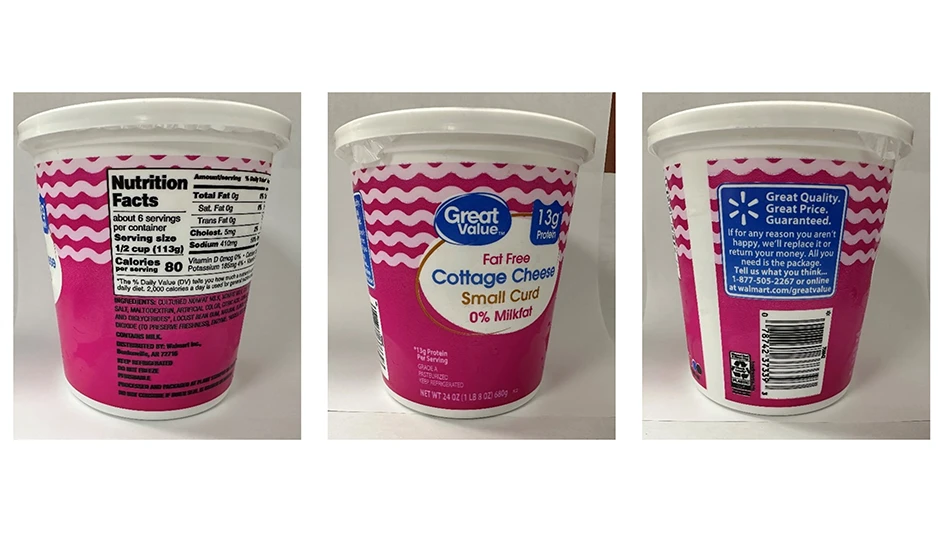
WASHINGTON — Pressure is mounting on lawmakers working on a farm bill to come up with a deal before the end of the month, when the Agriculture Department is to begin enforcing a series of decades-old laws that could cause the price of milk and other agricultural products to double.
In the nearly two-year effort to pass the $1 trillion bill, lawmakers have been able to reach a compromise on most of the farm and nutrition programs it covers, including what was expected to be the most contentious issue: cuts to the food stamp program.
A vote on the bill has been delayed until at least late January while lawmakers continue to work on a compromise for the dairy provision, catfish inspection program and subsidy limits.
If Congress is unable to reach a deal before the end of the month, the Agriculture Department will be forced to put policies in place that would cause milk prices to rise. The current farm bill expired at the end of September, and agriculture programs have reverted to operating under 1949 farm legislation that calls for higher milk and agriculture subsidies.
The 1949 legislation is known as “permanent law” because all subsequent farms bills simply amend it every five years. The last farm bill was passed in 2008.
The Agriculture Department told Congress before the holiday recess last year that it could hold off the higher milk prices if a new farm bill could be completed before the end of January. But as that prospect dims, the department may have no choice but to follow the 1949 provisions.
Click here to read the entire article.
Source: NY Times
Latest from Quality Assurance & Food Safety
- Director General of IICA and Senior USDA Officials Meet to Advance Shared Agenda
- EFSA and FAO Sign Memorandum of Understanding
- Ben Miller Breaks Down Federal Cuts, State Bans and Traceability Delays
- Michigan Officials Warn Recalled ByHeart Infant Formula Remains on Store Shelves
- Puratos USA to Launch First Professional Chocolate Product with Cultured Cocoa
- National Restaurant Association Announces Federal Policy Priorities
- USDA Offloads Washington Buildings in Reorganization Effort
- IDFA Promotes Andrew Jerome to VP of Strategic Communications and Executive Director of Foundation