FAO
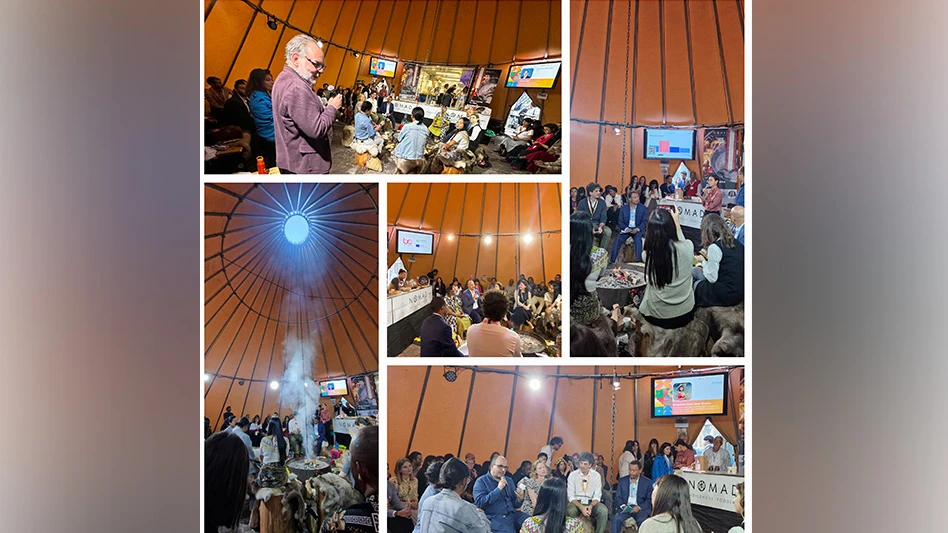
ROME – On Oct. 14, during the World Food Forum 2025, Food and Agriculture Organizations (FAO) of the United Nations' Agrifood Systems and Food Safety division and the FAO Indigenous Peoples Unit co-hosted the event "Fermentation and Indigenous Peoples: the future of blending wisdom with innovation" in the special tent set up in the FAO premises. Sitting around the real “fire side," participants discussed fermentation as an exemplary food technology that bridges Indigenous knowledge, cultural heritage and cutting-edge science, said FAO.
Speakers from a rich diversity of cultural and disciplinary backgrounds exchanged views and experiences, showing how traditional and modern fermentation methods can co-exist to foster innovation and build resilient agrifood systems, said FAO. From Ethiopia’s enset, to South Africa’s indigenous grains, Italian cured meat and Denmark’s evolving beer industry, stories from entrepreneurs, Indigenous chefs and food experts, fermentation was showcased as a living practice that adapts while honoring its roots, said FAO.
Education emerged as a key theme in passing down fermentation knowledge to future generations. Projects such as the Ghana Food Movement and the Indonesian customary school Arus Kualan demonstrate how preserving traditions while creating stronger and safer agrifood systems is possible.
Beyond its cultural value, fermentation also represents a deeply scientific process. Many Indigenous food practices embed generations of observation, experimentation and careful hygiene rules, forms of community-based “risk management” developed long before the term existed, said FAO. Through lessons learned, sometimes even from foodborne diseases or processing errors, Indigenous knowledge evolved into systems that ensured both flavor and safety, said FAO. The discussion also highlighted how these inherited practices resonate with today’s scientific principles of food safety. Whether guided by traditional intuition or by laboratory precision, both approaches share the same goal: preventing contamination, ensuring stability and maintaining trust in food, said FAO.
"Indigenous fermentation knowledge shows that tradition and technology are not in conflict," said FAO Senior Food Safety Officer Markus Lipp. "They are compatible paths toward a resilient food future."
Latest from Quality Assurance & Food Safety
- FDA Releases Produce Regulatory Program Standards
- Invest in People or Risk the System: Darin Detwiler and Catalyst Food Leaders on Building Real Food Safety Culture
- USDA Proposes Increasing Poultry, Pork Line Speeds
- FDA Releases New Traceability Rule Guidance
- TraceGains and iFoodDS Extend Strategic Alliance
- bioMérieux Launches New Platform for Spoiler Risk Management
- SafetyChain Receives SOC 2 Type 2 Certification
- Puratos Acquires Pennsylvania-Based Vör Foods