Adobe Stock | SIV Stock Studio
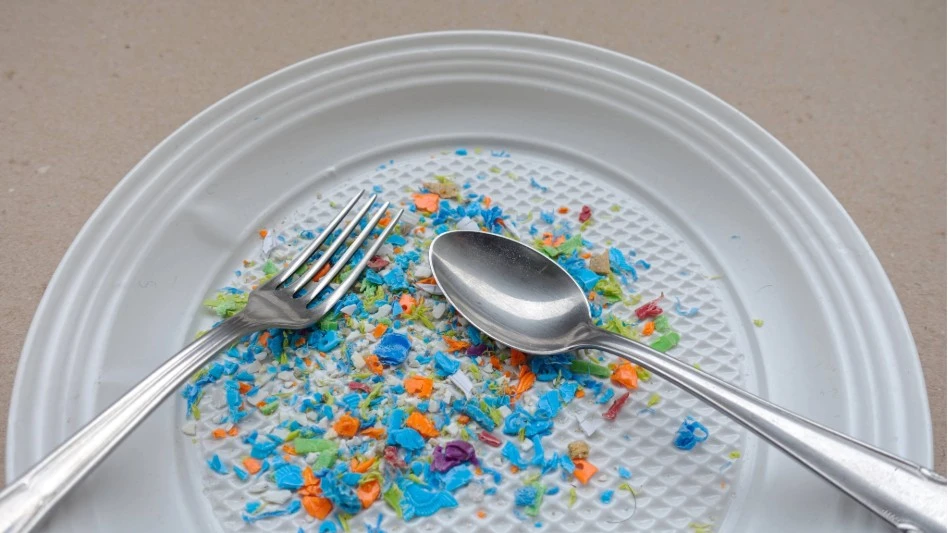
STRASBOURG, France – The European Parliament has requested the European Food Safety Authority (EFSA) to deliver a scientific opinion on the potential health risks posed by microplastics in food, water and air. Public interest in this issue has grown rapidly in recent years, yet major knowledge gaps remain — making this work both timely and relevant, said EFSA.
EFSA said its experts will review the latest evidence on microplastics, including how microplastics enter and affect the human body; how they are transferred into food; and the methods to assess related risks. They will also provide updated dietary exposure estimates based on new data from the literature.
EFSA said its scientific advice, which is expected to be published by the end of 2027, will help advance knowledge in a field marked by scientific uncertainty.
It will aim to provide the European Parliament with the latest knowledge on the matter and support risk managers in their future decisions on how to best protect consumers from exposure to microplastics through food.
A Growing Interest Over Microplastics
According to EFSA’s Special Eurobarometer on Food Safety (2025), awareness of microplastics in food among EU citizens has risen to 63%, marking an eight-point increase compared to 2022.
In terms of consumer perception, 33% of respondents identify microplastics as one of their main food safety worries, making it a frequently cited issue across several Member States, said EFSA.
Advancing Knowledge on Microplastics
Over the past few years, EFSA said it has published a number of times on microplastics.
The most recent publication is a literature review on micro‑ and nanoplastics released from food contact materials. EFSA said it found that microplastics can be released through the use of food contact materials, though at much lower levels than some studies suggest. The report identifies data gaps and makes recommendations on future research needs, said EFSA.
In 2021, EFSA held its 25th Scientific Colloquium, bringing together experts to review micro- and nanoplastics in food. The event highlighted major knowledge gaps and stressed the need for harmonised methods and coordinated international research, said EFSA.
A scientific statement on micro‑ and nanoplastics in food (mainly seafood), in 2016, had also highlighted major knowledge gaps, and stressed the lack of standardized methods to assess health risks, said EFSA.
Latest from Quality Assurance & Food Safety
- FDA Releases Produce Regulatory Program Standards
- Invest in People or Risk the System: Darin Detwiler and Catalyst Food Leaders on Building Real Food Safety Culture
- USDA Proposes Increasing Poultry, Pork Line Speeds
- FDA Releases New Traceability Rule Guidance
- TraceGains and iFoodDS Extend Strategic Alliance
- bioMérieux Launches New Platform for Spoiler Risk Management
- SafetyChain Receives SOC 2 Type 2 Certification
- Puratos Acquires Pennsylvania-Based Vör Foods