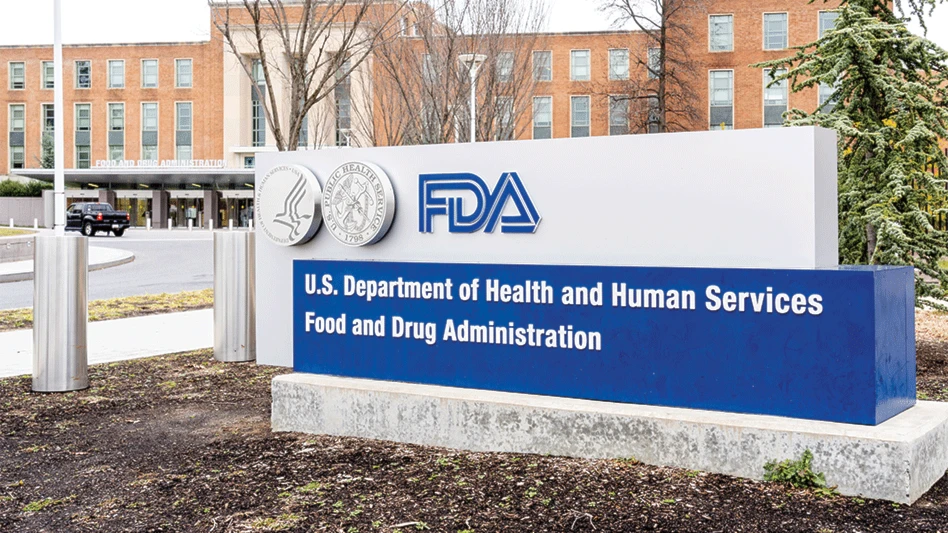
WASHINGTON, D.C. — A diverse coalition of food policy stakeholders representing consumers, industry, and state and local regulators reiterated its call for significant structural reform of FDA’s foods program ahead of the agency’s anticipated Jan. 31 announcement on how it intends to implement recommendations from a report by the Reagan-Udall Foundation.
The coalition commended the report when it was released in December of last year, noting that the expert panel accurately captured problems related to the structure, leadership, culture, transparency, and accountability within FDA’s foods program. Importantly, the report reinforces the coalition’s call for an expert, empowered deputy commissioner for food who could unify the program and elevate its stature within FDA.
The coalition includes: American Frozen Food Institute, Association of Food and Drug Officials, Consumer Brands Association, Consumer Reports, Environmental Working Group, International Fresh Produce Association, STOP Foodborne Illness and Western Growers.
The coalition reiterated the need for bold reforms that incorporate the following elements:
- Full Unification of the Human and Animal Foods Program under an Expert Leader
Establishing an empowered deputy commissioner position with direct line authority over all components of FDA’s human and animal foods program is foundational to its operational success and essential culture change. In practice, this means unifying into a cohesive organizational structure -- headed by the deputy commissioner -- the Center for Food Safety and Applied Nutrition (CFSAN), the food and feed-related activities of the Center for Veterinary Medicine (CVM), and all the food-related components of the Office of Regulatory Affairs (ORA), including inspection and compliance, food-related laboratories, import oversight, state partnerships, training, and information technology. Candidates for the empowered deputy commissioner role should possess the attributes recommended in the report, including: expertise and knowledge in food safety and/or nutrition; demonstrated strong leadership, management, and communications skills; and the ability to lead and make timely decisions in a complex regulatory environment. - An Elevated, More Prominent Foods Program.
The empowered deputy commissioner should be viewed internally and externally as the commissioner’s surrogate for all FDA food activities and as the agency’s leader, spokesperson and decision-maker for the foods program. The position should have the authority and standing within FDA and HHS, to represent FDA on foods program issues and funding before Congress, within the executive branch, as well as with stakeholders and foreign partners. - Culture Change and Modernization
Reframing the culture within the foods program is a prerequisite to the success of its structural reform. The current fragmented structure and lack of central authority and leadership contributes to a culture of silos, indecision, inaction, and delay in implementing the prevention mindset called for in the Food Safety Modernization Act (FSMA). The deputy commissioner should also be mandated to modernize the program in a way that facilitates transparency, timeliness, and meaningful stakeholder engagement as part of its decision-making process.