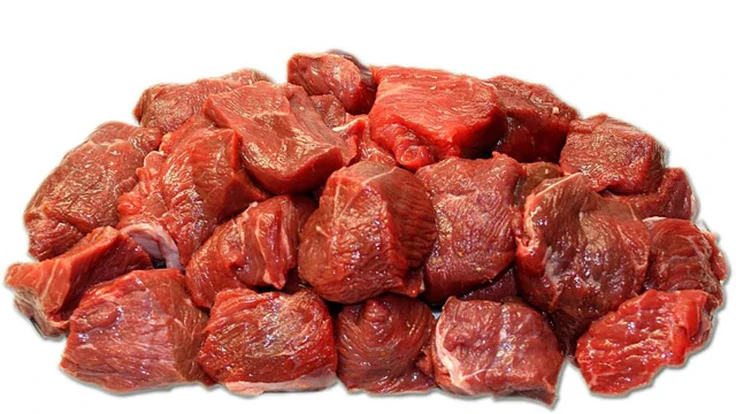
While forecasting the first quarterly loss in its history following a year of foodborne illness issues and social media battering, Chipotle Mexican Grill has begun cooking its beef prior to distribution to its restaurants to help reduce the chance of E. coli in finished product, but may reduce its pathogen testing from the DNA-based testing the restaurant had begun to conduct.
In the 2015 investigation, CDC investigators had used DNA-based whole genome sequencing (WGS) to get more detailed information about the DNA fingerprints of the STEC O26 bacteria that caused illness.
According to the Wall Street Journal, however, Chipotle and federal investigators are not in agreement on the likely cause of the 2015 E. coli outbreak. While Chipotle suspects the source was beef imported from Australia which then cross contaminated other burrito ingredients, federal authorities think produce was more likely the cause, stating that “distribution records didn’t establish a link between Australian beef and the restaurants where people reported becoming ill.”
To help aid in its food safety initiatives, Chipotle hired James Marsden earlier this week as its executive director of food safety. The former Kansas State University meat-science professor, has conducted research on the safety of meat products, will oversee food safety across Chipotle’s 2,000-unit chain.
Latest from Quality Assurance & Food Safety
- Director General of IICA and Senior USDA Officials Meet to Advance Shared Agenda
- EFSA and FAO Sign Memorandum of Understanding
- Ben Miller Breaks Down Federal Cuts, State Bans and Traceability Delays
- Michigan Officials Warn Recalled ByHeart Infant Formula Remains on Store Shelves
- Puratos USA to Launch First Professional Chocolate Product with Cultured Cocoa
- National Restaurant Association Announces Federal Policy Priorities
- USDA Offloads Washington Buildings in Reorganization Effort
- IDFA Promotes Andrew Jerome to VP of Strategic Communications and Executive Director of Foundation