University of Birmingham
Global partnerships and artificial intelligence (AI) will be key to addressing the growing challenges posed by food contamination, according to a new study by researchers from the Universities of Birmingham, Bedfordshire and Oxford.
The study, co-authored by Professor Lord John Krebs, former chair of the UK Food Standards Agency, analyses 116 peer-reviewed papers published between 2019 and 2024. It reveals that a range of biological, chemical and physical contaminants combined with emerging risks, including demographic changes, economic trends and environmental degradation, could lead to increased health hazards for people around the world.
But combining technological innovation, such as using AI for real-time contamination detection and prediction, with better regulation and international partnerships could help to reduce the risks, the study says.
Publishing their findings in the Journal of Environmental Management, researchers from the Universities of Birmingham, Bedfordshire and Oxford emphasized the urgent need for international collaboration to address the growing challenges posed by food contamination.
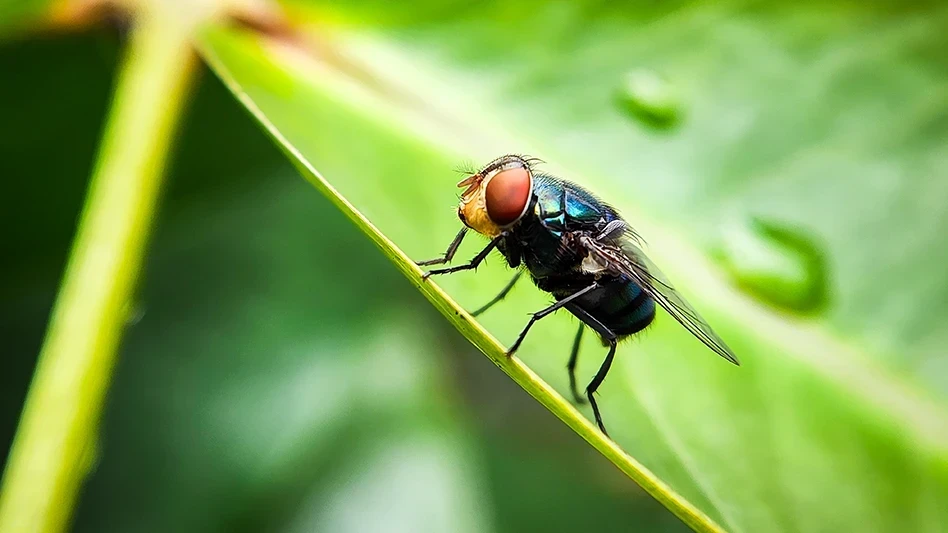
The study categorizes food contaminants into three main types. Biological contaminants include pathogens like bacteria and viruses, while chemical contaminants encompass pesticides, heavy metals and naturally occurring toxins. Physical contaminants involve foreign objects such as microplastics and packaging materials.
The researchers also identify six key drivers of current and future food safety risks: demographic changes, economic factors, environmental conditions, geopolitical shifts, consumer priorities and technological advancements.
“Our review shows that food contamination is a borderless threat that no nation can tackle alone," co-author Dr. Helen Onyeaka of the University of Birmingham said. "Pairing next-generation detection technologies with stronger international partnerships will be critical to keeping harmful contaminants out of the global food supply. The data revealed that contaminants of emerging concern are surfacing faster than many food safety systems can track them. Leveraging artificial intelligence for real-time surveillance will enable regulators and industry to spot risks earlier and intervene before they reach consumers."
The researchers highlight the uneven understanding of contaminants of emerging concern and their impact on the food system, environment and human health. They recommend several policy developments, including:
- Greater international collaboration in food contamination research, sharing information and knowledge among international organizations, governments and industries.
- Harmonizing food safety legislation across regions to address the global nature of food contamination.
- Investing in cutting-edge detection technologies to significantly improve the transparency and traceability of the food supply chain.
- Identifying regional differences in food contamination prevention measures to address the specific drivers of food safety risks in different regions.
- Increasing public awareness and education on food safety to enhance their understanding of food contamination risks and prevention strategies.
“Science-based, transparent regulation must keep pace with the accelerating complexity of the food chain," said Krebs. "By integrating real-time data and global cooperation, we can modernize food safety for the challenges ahead.”
The study highlights that significant progress has been made in developing novel detection technologies, including biosensors, spectroscopic techniques and machine learning applications. These technologies offer rapid, sensitive and cost-effective solutions for detecting food contaminants, enhancing the effectiveness of food safety measures, according to the study.
Latest from Quality Assurance & Food Safety
- FDA Releases Produce Regulatory Program Standards
- Invest in People or Risk the System: Darin Detwiler and Catalyst Food Leaders on Building Real Food Safety Culture
- USDA Proposes Increasing Poultry, Pork Line Speeds
- FDA Releases New Traceability Rule Guidance
- TraceGains and iFoodDS Extend Strategic Alliance
- bioMérieux Launches New Platform for Spoiler Risk Management
- SafetyChain Receives SOC 2 Type 2 Certification
- Puratos Acquires Pennsylvania-Based Vör Foods