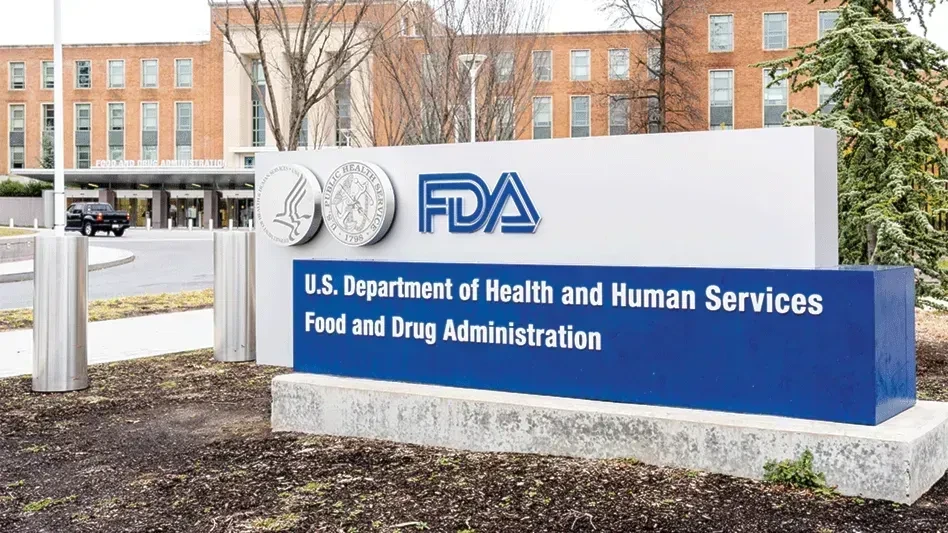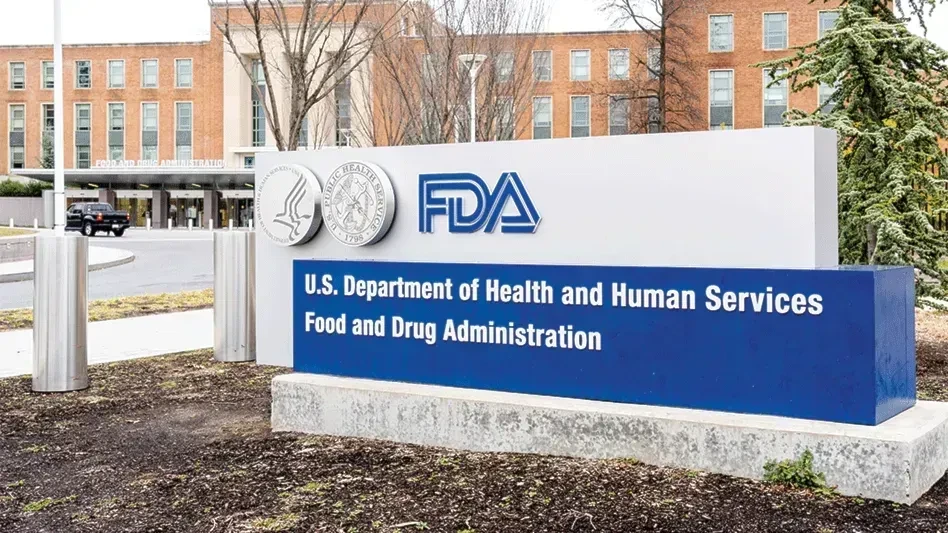
The U.S. Food and Drug Administration (FDA) launched a reassessment of butylated hydroxyanisole (BHA), a chemical preservative used in food, on Feb. 10. The review will consider whether BHA is safe under its current conditions of use in food and as a food contact substance based on the latest scientific information.
As part of the reassessment, FDA issued a Request for Information on the use and safety of BHA.
This is part of FDA’s broader efforts to proactively review chemical additives in the food supply. Last May, the agency launched a new post-market chemical review program to review chemicals in the food supply. FDA has identified BHA as a top priority for review.
The FDA listed BHA as Generally Recognized as Safe (GRAS) in 1958 and approved it as a food additive in 1961. It is used to prevent spoilage of fats and oils and can be found in various food products, including frozen meals, breakfast cereals, cookies, candy, ice cream and meat products. While packaged food label data indicates BHA use has declined in recent years, it remains present in many food products, including those marketed to children, said FDA.
BHA was recommended for re-assessment in several comments submitted to the public meeting docket for the Development of an Enhanced Systematic Process for the FDA's Post-Market Assessment of Chemicals in Food that closed in January 2025.
“BHA has remained in the food supply for decades, despite being identified by the National Toxicology Program as ‘reasonably anticipated to be a human carcinogen’ based on animal studies,” said Health and Human Services Secretary Robert F. Kennedy Jr. “This reassessment marks the end of the ‘trust us’ era in food safety. If BHA cannot meet today’s gold-standard science for its current uses, we will remove it from the food supply and continue cleaning up food chemicals — starting where children face the greatest exposure.”
FDA Commissioner Marty Makary said the agency expects to conduct similar assessments for butylated hydroxytoluene and azodicarbonamide.
“Once we complete our assessment of BHA, we expect to conduct similar assessments for butylated hydroxytoluene, a synthetic preservative known as BHT, and azodicarbonamide — a chemical used in yoga mats and also used as a dough conditioner,” Makary said.
“The FDA is committed to ensuring the safety of chemicals in our food supply through rigorous, science-based evaluation,” said Kyle Diamantas, deputy commissioner for human foods. “This comprehensive post-market assessment of BHA reflects our proactive approach to food safety and our dedication to protecting public health by continuously reviewing the latest scientific evidence.”
Chemical Review and GRAS Reform.
The Make America Healthy Again Commission’s Strategy Report identified the post-market review of chemical additives in food as a key priority, including food additives, food contact substances, Generally Recognized as Safe (GRAS) substances and color additives.
FDA said it has advanced draft rulemaking to reform its GRAS framework in an effort to drive greater transparency into the food supply by addressing independent GRAS conclusions and bringing greater oversight into the review of chemicals added to food.
Latest from Quality Assurance & Food Safety
- Tyler Williams of ASI Talks Closing Gaps in Food Safety Training
- IAFP 2026 Registration Now Open
- NASDA Sets Federal Policy Focus for 2026
- Eagle Product Inspection Highlights Pack 430 PRO
- Boar's Head Reopens Virginia Facility Linked to 2024 Listeria Outbreak
- GrubMarket Raises $50 Million for eCommerce and AI Transformation
- Violet Foods Acquires Muir Glen Brand
- Eco-Products to Launch Environmentally Responsible Packaging in the UK