1. Prevention is far more cost-effective than remediation.
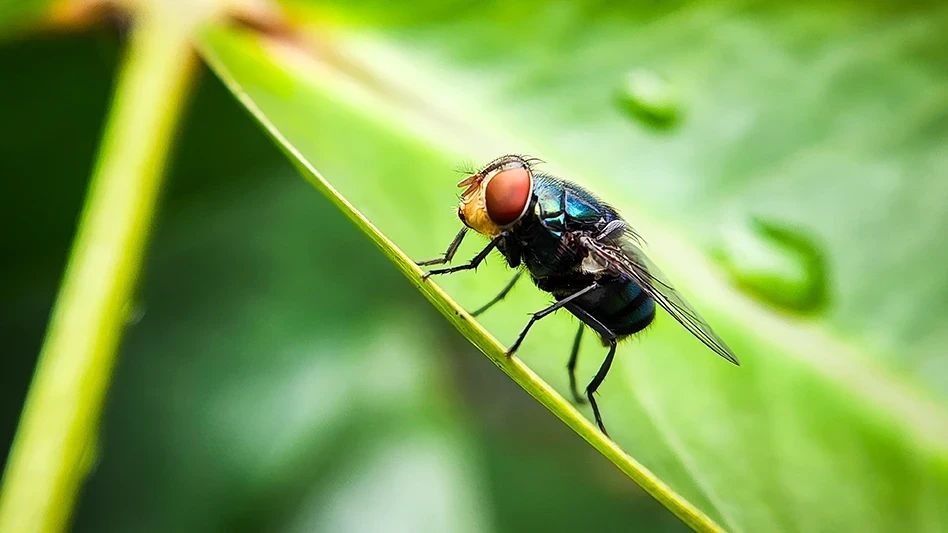
A single pest breach can trigger serious consequences. Proactive pest exclusion (sealing entry points before pests get in) minimizes risk, protects product integrity and helps avoid costly recalls, shutdowns or regulatory actions.
2. Exclusion is a cornerstone of IPM.
A strong exclusion strategy limits the need for pesticides and rodenticides. This aligns with FSMA and IPM protocols by reducing chemical exposure risks and keeping control measures environmentally responsible.
3. Small gaps invite big problems.
Mice need just a ¼-inch gap, the width of a pencil, to get inside. Rats need ½ inch. These seemingly minor vulnerabilities can lead to big problems. Prioritize inspections and seal small openings — paying special attention to receiving areas, doorways and utility penetrations.
4. Not all materials meet food facility standards.
Expanding foam and caulk degrade and can be breached. Use exclusion materials engineered for rodent exclusion, like Xcluder Fill Fabric, which combines stainless steel and poly fibers for a durable, rust-proof, pest-proof barrier.
5. Doors and docks are common failure points.
Gaps under doors and loading dock levelers are among the most frequent pest entryways. Install Xcluder Rodent-Proof Door Sweeps on exterior doors and Xcluder Dock Leveler Seals on loading bays to block access in high-risk zones.
6. Vents, drains and utility lines must be secured.
Openings around HVAC systems, drains, vents and utility lines are often overlooked. Protect with corrosion-resistant mesh and pest-rated covers. For pipe penetrations, install the Xcluder X-Plate to eliminate any gap around the pipe.
7. Utility rooms, rooflines and exterior perimeters need attention.
Pest harborage often starts in overlooked areas. Rooflines, utility chases and maintenance rooms may provide hidden access. Outside, overgrown vegetation, standing water and clutter attract pests. Always include exterior checks in sanitation protocols.
8. Facility-wide training reinforces success.
Pest exclusion isn’t just a facility manager’s job. Train sanitation crews, QA teams and maintenance staff to recognize risks and report breaches. A trained team improves response and strengthens protection.
9. Inspection and maintenance close the loop.
Exclusion isn’t “set and forget.” Regular inspections — especially after maintenance or weather events — identify vulnerabilities early and ensure products like door sweeps and seals remain intact and effective.
10. Strong exclusion programs protect your brand.
A rodent sighting can trigger regulatory action and damage trust. Investing in proven pest exclusion solutions — like Xcluder’s line of proven rodent-proof products — helps safeguard your operation, products and reputation.

Explore the September/October 2025 Issue
Check out more from this issue and find your next story to read.
Latest from Quality Assurance & Food Safety
- FDA Withdraws COVID-Era FSMA Guidance
- FDA Investigates Raw Cheese E. Coli Outbreak as Manufacturer Declines Recall
- USDA NIFA Launches Rapid Response Grants to Combat Emerging Agricultural Threats
- WHO to Release New Foodborne Disease Estimates for World Food Safety Day
- Ajinomoto Foods Recalls Products Due to Potential Glass Contamination
- Grubhub Introduces Drone-Powered Food Delivery Program
- FSIS Releases 2025 Foodborne Illness Outbreak Investigations Report
- EWG Analysis Flags 111 Ingredients Added to Foods Through GRAS