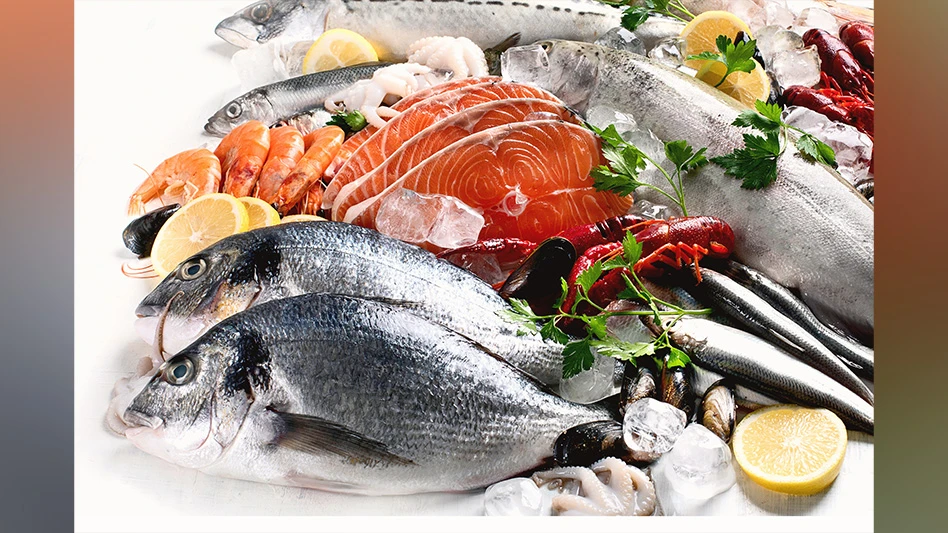
The safety of seafood from the Gulf of Mexico became a central concern following the Deepwater Horizon blowout a year ago. Even after Gulf waters began reopening, consumer confidence in the safety of Gulf seafood remained shaky. A new review published in the peer-reviewed journal Environmental Health Perspectives affirms that levels of polycyclic aromatic hydrocarbons (PAHs) found in Gulf seafood samples have been well below levels that would be of concern for human health. Nevertheless, federal protocols to reopen waters to commercial fishing after an oil spill should be standardized and strengthened to better protect sensitive populations; and timely, clear communication about the results of seafood testing will help promote consumer confidence.
After reviewing toxicology reports from oil spills worldwide and examining protocols for reopening fisheries after spills, the authors recommend that Gulf seafood continue to be tested for PAHs, DOSS, and metals such as mercury, cadmium, and lead. Study authors include lead Julia Gohlke with Dzigbodi Doke, Meghan Tipre, Mark Leader, and Timothy Fitzgerald. The article, “A Review of Seafood Safety after the Deepwater Horizon Blowout,” published by the National Institute of Environmental Health Sciences, is available at http://www.ehponline.org.

Explore the June 2011 Issue
Check out more from this issue and find your next story to read.
Latest from Quality Assurance & Food Safety
- FDA Releases Produce Regulatory Program Standards
- Invest in People or Risk the System: Darin Detwiler and Catalyst Food Leaders on Building Real Food Safety Culture
- USDA Proposes Increasing Poultry, Pork Line Speeds
- FDA Releases New Traceability Rule Guidance
- TraceGains and iFoodDS Extend Strategic Alliance
- bioMérieux Launches New Platform for Spoiler Risk Management
- SafetyChain Receives SOC 2 Type 2 Certification
- Puratos Acquires Pennsylvania-Based Vör Foods