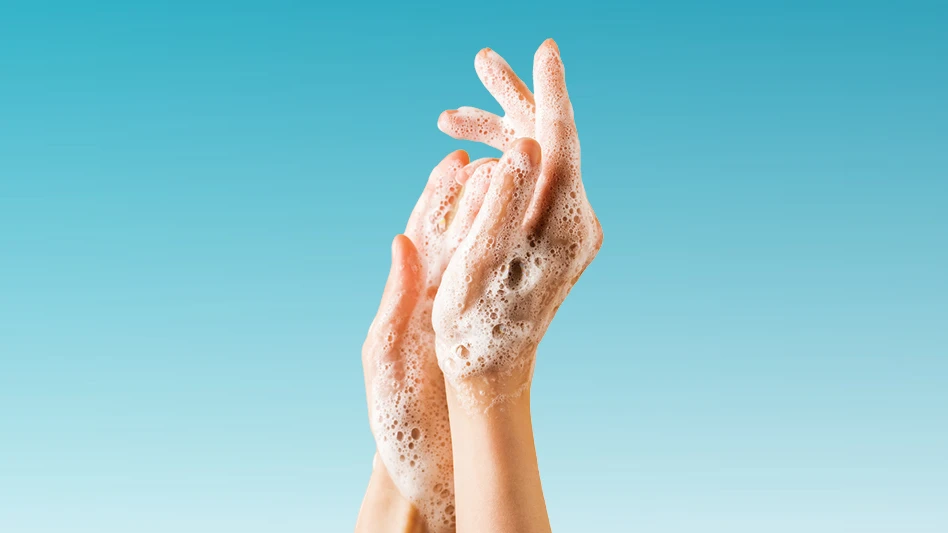
Handwashing often becomes so routine that we stop doing it correctly, leaving behind unwanted germs that can spread pathogens and diseases.
This routine hygiene step is especially critical in food and beverage processing facilities, where a single lapse in hygiene can have a big impact, compromising product safety, brand reputation and consumer health.
When food safety and quality assurance professionals follow the proper steps and wash their hands intentionally, it’s one of the best ways to prevent illness and halt the spread of infection. Germs easily spread with unwashed hands, especially when people touch their faces, make or eat food, touch other surfaces or objects and blow, cough or sneeze into their hands.
The best part about handwashing is that FSQA professionals don’t need anything fancy to wash their hands with — plain soap and water work best.

Follow these five steps from the U.S. Centers for Disease Control and Prevention (CDC) when washing hands to successfully kill and prevent the spread of pathogens:
- Run your hands under clean water (cold or warm), then turn off the water and apply soap.
- Rub your hands with soap and lather the front and back of your hands, as well as between your fingers.
- Scrub your hands with soap for at least 20 seconds. You can sing “Happy Birthday” twice if you don’t have a timer.
- Rinse your hands under clean cold or warm water, and ensure your hands are well-rinsed.
- Dry your hands with a clean towel or use an air dryer.
When soap and water aren’t available, it’s OK to use alcohol-based hand sanitizer, said the CDC. Make sure to use some that contains at least 60% alcohol. This information should be available to check on the product label.
While it’s important to wash hands often, it’s especially important to wash them when you are most likely to contract germs or spread them. The following times are when you should always be washing your hands, said the CDC:
- After going to the bathroom.
- After touching garbage.
- Before, during and after preparing food and before and after eating food.
- Before and after helping someone who is sick (especially if the person is vomiting or has diarrhea).
- Before and after getting a cut or wound and treating it.
- After changing diapers.
- After blowing your nose, coughing or sneezing.
- After touching an animal and/or handling its food, treats or waste.
While regular daily handwashing may be a no-brainer for FSQA professionals, it’s easy to become complacent and forget just how important washing hands can be — not only in ensuring your own protection, but in safeguarding the health of the consumers who rely on the products you handle and oversee.
Explore the September/October 2025 Issue
Check out more from this issue and find your next story to read.
Latest from Quality Assurance & Food Safety
- Ajinomoto Foods Recalls Products Due to Potential Glass Contamination
- Grubhub Introduces Drone-Powered Food Delivery Program
- FSIS Releases 2025 Foodborne Illness Outbreak Investigations Report
- EWG Analysis Flags 111 Ingredients Added to Foods Through GRAS
- FDA Releases Risk Assessment of Foodborne Illness from Produce with Untreated BSAAO
- Catalyst Food Leaders Announces 2026 Virtual Leadership Summit
- FDA to Hold Public Meeting on Dietary Supplements
- USDA Partners with Army Corps on New World Screwworm Sterile Fly Production Facility