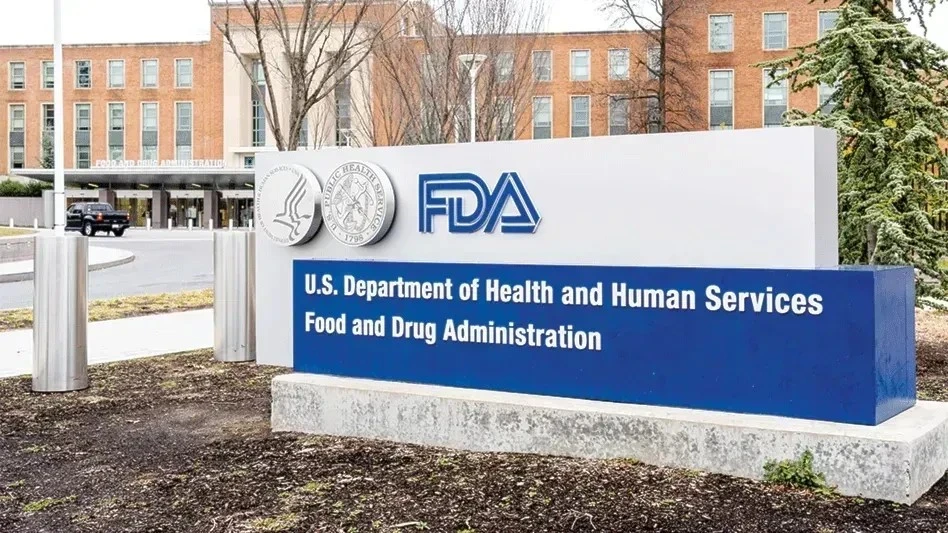
As was completely expected, change was the byword for the first quarter of 2025 for the food industry. With new leadership across federal positions and levels, we have seen significant changes in direction and focus, with the most significant thus far being the emphasis on food additives and heavy metals, GRAS and terminations.
While there has been an evolving focus on additives and heavy metals in foods at both the state and federal levels, the “urgent priority” of Robert F. Kennedy Jr. (RFK) to eliminate artificial colorings from foods is taking a front seat in his drive to “make America healthy again.” Exactly what actions or regulations will be set, or what will be expected of industry, has not been solidified. But have no doubt that this will be driven forward, as already, RFK has warned industry executives that he will take action if they don’t; West Virginia has proposed legislation against food dyes; and FDA has increased testing of heavy metals in infant formula.
Another area RFK has directed rulemaking by FDA is that of the Generally Recognized as Safe designation, or GRAS, specifically to eliminate the self-affirmed option. Although self-affirmation was intended to involve the same scientific rigor as that of a GRAS petition submitted to FDA, there is no requirement to share results with FDA or demonstrate that the process was undertaken. While the change may provide a more robust verification of the safety of substances, it is also likely to mean a much longer process for use of new substances, particularly if all GRAS substances currently in use through self-affirmation and those grandfathered in are required to be reviewed by FDA.
While such new initiatives are being enacted by and for the food agencies, they are also facing the administration’s elimination of their food safety advisors — the National Advisory Committee on Microbiological Criteria for Foods (NACMCF) and the National Advisory Committee on Meat and Poultry Inspection (NACMPI), which provided impartial scientific expertise for the analysis of science and risk around food safety.
With new leadership across federal positions and levels, we have seen significant changes in direction and focus, with the most significant thus far being the emphasis on food additives and heavy metals, GRAS and terminations.
Add to that the thousands of personnel cuts at the HHS, including those in the CDC, NIH and FDA, that are, according to RFK, intended to reduce “bureaucratic sprawl.”
If the cuts being made are to truly extraneous workers and unnecessary administrative positions, it could be a good thing. But if experts and experienced leaders are being let go or choose to leave and take the early retirement offer, it could be a significant problem for the safety of food.
This is of particular concern with the lack of federal focus on the microbiological contamination of food, for which we saw a doubling of consumer hospitalizations and deaths in 2024 from food contaminated with Salmonella, Listeria or E. coli. Additionally, while the 30-month extension for compliance with the FSMA 204 Traceability Rule should help the industry build a more unified, interoperable supply chain to increase the speed of recall investigations, it also means a 30-month delay in enforcement of traceability and the likelihood of some businesses, once again, waiting until the 11th hour to begin developing their systems.
With these and other federal actions transpiring on a nearly daily basis, all my projections may be moot — or confirmed! — by the time you read this. But one has and will certainly continue to hold true: 2025 is a year of change.
While some of the actions are headed right down the road I expected, the extent of the changes, and depth of the impact, was — and will continue to be — harder to predict. So my advice to the entire industry, no matter how large or small and what segment you are in, is to stay attuned to what’s coming out of D.C. and your state, and be proactive in knowing what is in your food and how you will comply with whatever regulation comes down while maintaining a balance to ensure you don’t lose sight of microbiological risks and controls regardless of the regulatory focus, or lack thereof.
Explore the May/June 2025 Issue
Check out more from this issue and find your next story to read.
Latest from Quality Assurance & Food Safety
- WHO to Release New Foodborne Disease Estimates for World Food Safety Day
- Ajinomoto Foods Recalls Products Due to Potential Glass Contamination
- Grubhub Introduces Drone-Powered Food Delivery Program
- FSIS Releases 2025 Foodborne Illness Outbreak Investigations Report
- EWG Analysis Flags 111 Ingredients Added to Foods Through GRAS
- FDA Releases Risk Assessment of Foodborne Illness from Produce with Untreated BSAAO
- Catalyst Food Leaders Announces 2026 Virtual Leadership Summit
- FDA to Hold Public Meeting on Dietary Supplements