As FDA deputy commissioner for foods and veterinary medicine when FSMA was passed, Michael Taylor was responsible for directing its rulemaking and implementation.
With its existing HACCP plan, Sabra was well prepared for FSMA’s Preventive Controls rule. Others weren’t so fortunate.
Nestlé Purina discusses the impacts of FSMA’s animal foods rule on the pet foods sector.
FSMA’s breadth includes making sure the way goods are shipped throughout the U.S. are safe as well.
FSVP and VQIP focus on foreign production of food intended for consumption in the U.S.
FSMA’s Produce Safety Rule is still largely a work in progress, but aside from providing guidance, it can help bring the food industry closer together.
FSMA’s food defense or intentional adulteration rule is meant to protect the nation’s food supply from someone on the inside looking to do harm on a massive scale.
Latest from Quality Assurance & Food Safety
- FDA, CDC Investigate Salmonella Outbreak Linked to Live It Up Dietary Supplement Powder
- USDA FSIS Announces New Deputy Administrator of Field Operations
- ProVeg Incubator Launches Fast-Track to Impact Program for Alt-Protein Startups
- Kerry Releases 2026 Global Taste Charts
- FDA Shares Australia Certificate Requirements for Bivalve Molluscs and Related Products
- FDA Announces Update from CFIA on Certificate Requirements for Certain Meat, Poultry Products
- NIMA Partners Introduces the Next-Generation NIMA Gluten Sensor
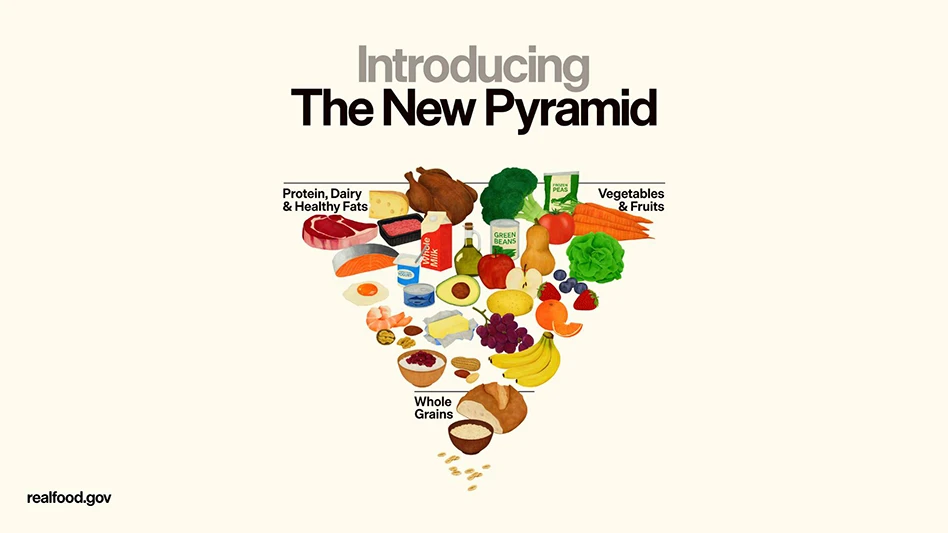
- IFT to Host Community Conversation on Dietary Guidelines for Americans, 2025-2030 Report